
Ice Cleats for Aerospace & Defense Work Environments
Industrial ice cleats help aerospace and defense employees maintain traction when working around icy flight lines, hangars, maintenance facilities, loading areas and outdoor logistics operations. Winter Walking helps safety teams select workplace ice cleats based on how employees work, where they encounter ice and snow, and how frequently they transition between indoor and outdoor environments.
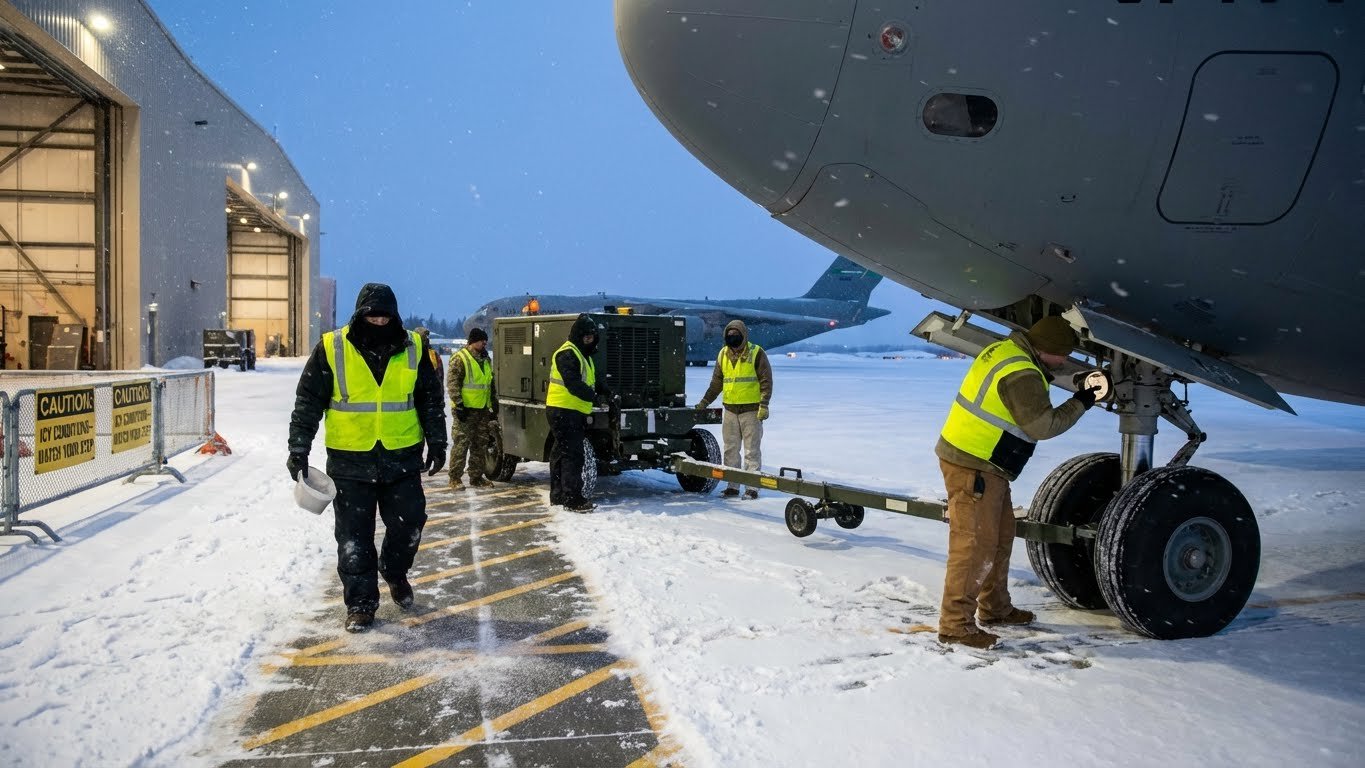
At Winter Walking, we don’t just sell ice cleats, we provide traction solutions tailored to the specific conditions your crews face, ensuring every worker has the right protection for their environment. Whether you are maintaining aircraft, moving heavy equipment, or managing base logistics, we help you build a safer, more efficient operation during the harshest months of the year.
Winter Traction for Aerospace & Defense Operations
Tailored Solutions for Complex Work Environments
Aerospace and defense operations span hangars, maintenance bays, runways, and storage facilities, each with unique safety challenges. Our experts recommend the right combination of traction, comfort, and surface protection for your setting, from epoxy-coated floors to icy tarmacs.
Experience in Mission-Critical Industries
For over 40 years, Winter Walking has partnered with organizations in aviation, defense, and industrial manufacturing to reduce slip and fall incidents. We understand the operational pressure, regulatory standards, and uptime expectations that define your world, and we deliver solutions that help meet them.
Tested and Proven Under Extreme Conditions
Our products are proven to perform in sub-zero temperatures, chemical-exposed environments, and heavy-use scenarios. Whether you are stationed in northern climates or working around de-icing agents and aviation fluids, our cleats provide consistent grip and reliability when it matters most.
Supporting Your Safety and Compliance Goals
Winter Walking traction programs can support your organization's winter slip-and-fall prevention efforts and internal EHS safety goals. Fewer incidents mean improved safety metrics, reduced workers’ compensation claims, and a stronger operational record.
